3D Layered Fairy: A Designer’s Review for Market Sellers
As an experienced embroidery designer who spends weekends setting up booths at craft fairs and managing an online handmade shop, I know that not every digital file translates into a best-selling physical product. You can have the most beautiful design in the world, but if it doesn’t photograph well, is too difficult to stitch consistently, or feels out of place on common merchandise, it won’t move off your table. Today, I am reviewing the 3D Layered Fairy, a machine embroidery design from the Fairy Tales category, to determine its viability for commercial production.
The product description promises that this design will look "absolutely splendid" on nursery decor and bring a "cheerful touch" to your project. It also notes that the package includes multiple embroidery files. For the Etsy seller or boutique maker, these are promising indicators. However, my job is to look past the marketing copy and evaluate the practical application of this design asset. Can it compete with the thousands of other fairy-themed items on the market? Does it offer enough visual interest to justify a premium price point?
First Impressions and Visual Appeal
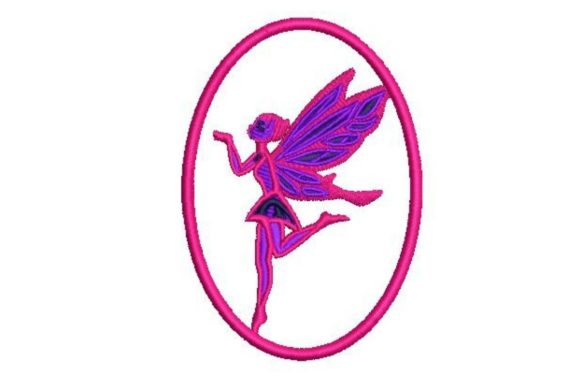
When I first pulled up the preview for the 3D Layered Fairy, the immediate takeaway was its potential for depth. In the world of embroidery, flat designs can sometimes feel generic, especially when competing against screen-printed goods. The promise of a "layered" effect suggests dimensionality, which is crucial for catching the eye in a crowded booth. If executed correctly, this design should pop off the fabric, creating a tactile experience that customers love to touch.
The mood is undeniably soft and decorative. It fits perfectly within the current trends for nursery decor and children’s accessories. It isn’t rustic or farmhouse; it leans toward elegant and whimsical. This distinction is important because it dictates where you place this product. You wouldn’t want to put this on a rugged work apron meant for woodworking. Instead, this design belongs on softer, lighter textiles where the cheerfulness can shine without being overshadowed by rough textures.
Product Application: Where It Shines
Not all embroidery designs are created equal when it comes to different products. Here is how I see the 3D Layered Fairy performing across various high-demand categories:
- Tote Bags and Market Bags: A tote bag design needs to be bold enough to be seen from a distance. If the layered elements are distinct, this fairy could serve as a stunning focal point on a canvas tote. It elevates a simple utility item into a fashionable accessory, perfect for parents running errands or shoppers looking for a unique gift.
- Nursery Decor and Pillow Covers: This is likely the sweet spot for this design. The cheerful touch mentioned in the description aligns perfectly with baby showers and nurseries. On a white or pastel pillow cover, the 3D effect will create a luxurious feel that justifies a higher retail price.
- Aprons and Tea Towels: While kitchen items are popular, caution is needed here. An apron embroidery must withstand washing and wear. If the fairy design has tiny details that might snag or fade, it may not hold up over time. However, on a tea towel embroidery, it serves as a lovely decorative accent that adds personality to a kitchen set.
- Embroidered Patches and Caps: For the cap market, the curved surface can distort complex shapes. If the 3D Layered Fairy has clean outer edges, it could work beautifully as a front-center patch on a baseball cap. Similarly, on a small pouch, it acts as a charming logo-like element that brands the item instantly.
Production Practicality and Batch Efficiency
For the small shop owner, efficiency is money. A design that takes four hours to stitch per unit kills profit margins. When evaluating the 3D Layered Fairy, we must consider the stitch density and complexity. The term "layered" often implies underlay stitches and potentially dense fill areas to create that 3D pop. This means the hoop size will likely be substantial, limiting the number of units you can stitch in a single run compared to a small, simple heart or star.
However, the inclusion of multiple embroidery files is a significant advantage. This usually indicates that the design comes in various sizes or perhaps separate colorways. This allows you to test different markets without buying new assets. You can use one file size for a delicate handkerchief and another for a larger tote bag. This versatility makes it a strong candidate for a diverse inventory strategy.
Photography is another critical factor. A 3D design photographs exceptionally well because the shadows cast by the raised stitches add realism to your images. For an Etsy seller, this means better click-through rates. Your printable mockups will look more professional and tangible, reducing buyer hesitation. Customers can almost feel the texture through the screen, which builds trust in the handmade quality of your finished product.
Technical Considerations and Careful Use Notes
Before committing to mass production, there are several technical hurdles that every embroidery designer must address. Ignoring these can lead to ruined fabric and unhappy customers.
- Stitch Density and Clarity: Dense stitch areas are necessary for the 3D effect, but they can cause puckering on lightweight fabrics. Always check the stitch density before stitching. If the design is too dense for a thin cotton tee, it will look bunched and unprofessional.
- Tiny Details: Fairy designs often feature wings, faces, or intricate clothing patterns. At smaller sizes, these details can merge into a muddy blob. I strongly advise creating at least one real mockup at your smallest intended size to ensure clarity. If the face becomes indistinct, the charm is lost.
- Fabric Texture and Contrast: The success of this design relies heavily on thread colors and fabric choice. On a textured towel or dark fabric, the layers may get lost. Stick to smooth, light-colored fabrics like white muslin, pastel linen, or light canvas to let the design breathe. Dark fabric requires a heavy stabilizer layer underneath to prevent show-through, which adds cost and complexity.
- Hoop Size and Stability: Confirm the hoop size required for the largest version of the design. If it exceeds your machine’s maximum hoop, you will need to rehoop, which increases production time and risk of misalignment. Ensure you use the right stabilizer—heavy cut-away for bags and caps, and tear-away for stable knits—to maintain the integrity of the 3D shape.
Final Verdict for Craft Fair Sellers
The 3D Layered Fairy is a strong contender for the modern craft fair booth. It hits the emotional triggers of nostalgia and whimsy that drive impulse buys. Its ability to transform standard items like tote bags and nursery pillows into premium-looking gifts gives it a competitive edge. The fact that it comes with multiple files adds value, allowing you to experiment with pricing tiers and product types.
However, its success depends entirely on execution. It is not a "stitch and forget" design. It demands careful attention to fabric selection, stabilizer choice, and thread contrast. If you treat it with the respect due to a complex, dimensional piece, it will stand out among the sea of flat, mass-produced items. For the creative entrepreneur willing to do the prep work, this design offers a high chance of boosting brand consistency and buyer engagement. Just remember to inspect your final product closely; the customer will notice if the layers don't lie flat or if the colors bleed. Done right, the 3D Layered Fairy is not just a design; it is a centerpiece for your handmade collection.