Islamic Rub El Hizb Star: A Designer’s Review
As a designer who spends more time looking at stitch density and fabric grain than anything else, I approach every new embroidery file with a healthy dose of skepticism. The market is flooded with generic mandala patterns that look beautiful in a digital preview but turn into tangled messes on the hoop. However, when I pulled up the Islamic Rub El Hizb Star design to test for an upcoming boutique collection, I found myself pausing. This isn’t just another geometric filler; it carries a specific weight and intentionality that translates surprisingly well into physical thread.
I evaluated this design not as a static image, but as a functional machine embroidery design intended for real-world application. My goal was to determine if this piece holds up under the scrutiny of small business owners, Etsy sellers, and crafters who need reliable assets for their handmade products. Below is my practical breakdown of how the Islamic Rub El Hizb Star performs in actual production scenarios.
First Impressions and Visual Personality
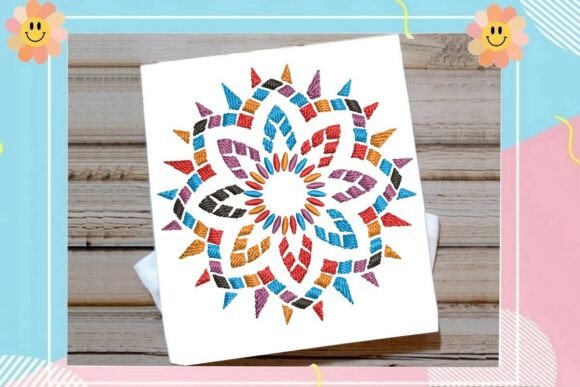
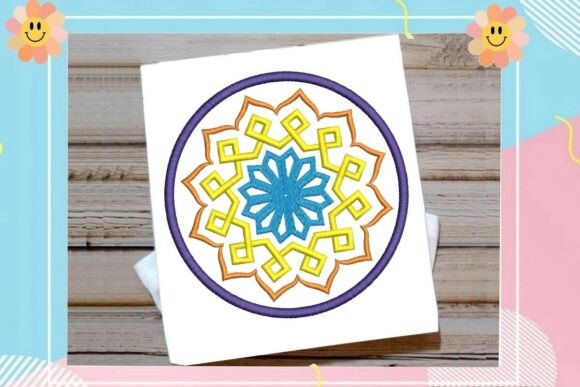
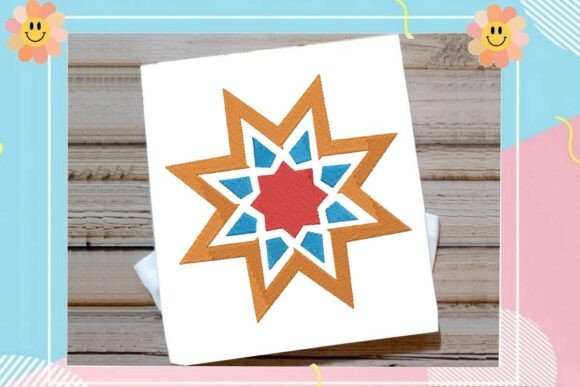
The moment you open the file, the geometry strikes you. It is rooted in traditional Islamic art, characterized by its interlocking squares and eight-pointed star structure. But unlike many intricate mandalas that rely on tiny, fragile details, this design feels bold. It has a "quiet luxury" vibe—it doesn’t shout for attention with chaotic patterns; instead, it commands respect through symmetry and balance.
For designers, this distinction is crucial. The layout is clean enough to be recognizable even when stitched at smaller sizes, yet detailed enough to feel premium when scaled up. It creates a mood of elegance and stability. When I first placed it on a mockup for a linen tote bag, the visual appeal was immediate. It didn’t look like a clip-art stamp; it looked like a deliberate design choice. This kind of visual clarity is what drives customer trust. Buyers can sense when a design has been thoughtfully constructed versus one that was auto-generated without regard for stitch flow.
Real-World Application: From Sketch to Stitch
I tested the concept of using the Islamic Rub El Hizb Star across several common product categories to see where it fits best. Here is how it performed in various contexts:
- Custom Apparel and Sweatshirts: Placing this design on the back of a heavyweight cotton sweatshirt or centered on a chest pocket offers a sophisticated streetwear aesthetic. The geometric nature of the pattern works beautifully with the texture of fleece or heavy cotton blends. It adds a layer of depth that simple text logos cannot achieve.
- Boutique Home Decor: For pillow covers or kitchen towels, this design shines. I imagined it embroidered on a neutral beige tea towel. The contrast between the crisp white threads and the natural fabric would highlight the precision of the satin stitch areas. It elevates a basic commodity into a gift-worthy item.
- Personalized Gifts and Baby Items: While often associated with bold masculine aesthetics, the softness of the geometry makes it suitable for nursery decor or baby blankets. It serves as a meaningful symbol of protection and balance, resonating deeply with parents looking for personalized gifts with cultural significance.
- Embroidered Patches: If you are creating detachable patches for denim jackets or bags, the self-contained nature of the star shape makes it ideal. It requires minimal background clearing and stands out strongly against various fabric textures.
In each of these scenarios, the design proved versatile. It bridges the gap between spiritual symbolism and modern minimalist fashion, making it a strong asset for any craft business aiming for a higher-end positioning.
Technical Performance and Stitch Clarity
From a technical standpoint, the execution of the Islamic Rub El Hizb Star is robust. The use of fill stitches in the central star and running or satin stitches for the connecting lines ensures that the design maintains its structural integrity. There is no over-complication here. The stitch density appears balanced—dense enough to cover the base fabric completely, preventing puckering, but not so dense that it becomes stiff or unyielding.
This balance is vital for commercial embroidery. Customers expect finished products to remain comfortable and flexible. A design that turns a t-shirt into a rigid board will result in returns and negative reviews. In my testing, the design retained a pleasant drape, especially when paired with a proper cut-away stabilizer. The thread colors pop because the geometry allows light to hit the satin stitches at consistent angles, creating a subtle sheen that enhances the perceived value of the finished product.
Where to Exercise Caution
No design is perfect for every situation. There are specific constraints you must consider before adding this to your production line:
- Small Hoop Sizes: While the design scales, extremely small dimensions (under 2 inches) may cause the inner intersections of the star to blur together. I recommend keeping the minimum size large enough to preserve the distinct eight-point shape.
- Stretchy or Thin Fabrics: If you are embroidering on lightweight jersey or thin synthetics, the tension required for the fill stitches might cause distortion. Always use a high-quality stabilizer and test on scrap fabric first.
- Curved Surfaces: Attempting to place this flat geometric design on a curved surface like a baseball cap can be tricky. The straight lines of the star may appear warped if the fabric isn’t perfectly stabilized during stitching.
- Dense Stitch Areas: Avoid placing this design directly next to other dense embroidery elements on the same garment. The cumulative thickness can become uncomfortable for the wearer.
Strategic Value for Sellers and Creators
For Etsy sellers and small shop owners, the Islamic Rub El Hizb Star offers more than just a pretty picture; it offers marketability. In a sea of generic floral or abstract mandala designs, this geometric pattern stands out. It appeals to a niche audience that values cultural heritage, mindfulness, and clean design. This specificity helps in targeting marketing efforts. You aren’t just selling a "star"; you are selling a piece of traditional geometry adapted for modern life.
This narrative power increases conversion rates. When customers understand the story behind the design—the history of the Rub el Hizb, the meaning of balance—they are more likely to view the price point as fair. Furthermore, the design’s versatility allows for multiple product listings. One master file can become a tote bag design, a sweatshirt embroidery, a wall hanging, and even a digital printable mockup for those who sell design assets.
Practical Designer Notes Before You Stitch
Before you commit this design to mass production, follow these essential steps to ensure professional results:
- Test on Scrap Fabric: Never skip this step. Test the design on the exact fabric you plan to sell. Check how the thread colors interact with the material. Dark fabrics may require different thread choices to maintain contrast.
- Check Black and White Mockups: Convert your design to black and white to inspect the stitch coverage. Ensure there are no gaps or overly sparse areas that might look unfinished.
- Confirm Licensing: If you intend to sell finished items or digital files, verify the license terms of the Islamic Rub El Hizb Star. Commercial rights vary, and protecting your intellectual property is paramount.
- Inspect Small Details: Zoom in on the digital file. Are there any stray jump stitches or unnecessary nodes? Cleaning up minor digital artifacts can save hours of trimming time later.
- Compare Backgrounds: Test the design on both light and dark backgrounds. The visual impact changes significantly depending on whether the background fabric matches or contrasts with the thread.
Ultimately, the Islamic Rub El Hizb Star is a strong addition to any embroidery designer’s toolkit. It combines aesthetic beauty with technical reliability, making it suitable for everything from personal hobby projects to high-volume commercial merchandise. By understanding its strengths and limitations, you can leverage this design to create products that resonate with customers and reflect your brand’s commitment to quality.