Rescued is My Favorite Breed Review
As a designer who spends more time staring at stitch charts than sleeping, I have learned to trust my gut before I ever load a hoop. When Rescued is My Favorite Breed landed on my desk, I didn’t just see a graphic; I saw a potential bestseller for a small business owner or a heartfelt gift for a friend. The concept is simple: a playful design that screams compassion and loyalty. But in the world of machine embroidery, concepts don’t sell products—execution does. This review breaks down exactly how this embroidery file performs when moved from screen to fabric, focusing on practical application for crafters, Etsy sellers, and handmade shop owners.
First Impressions and Visual Personality
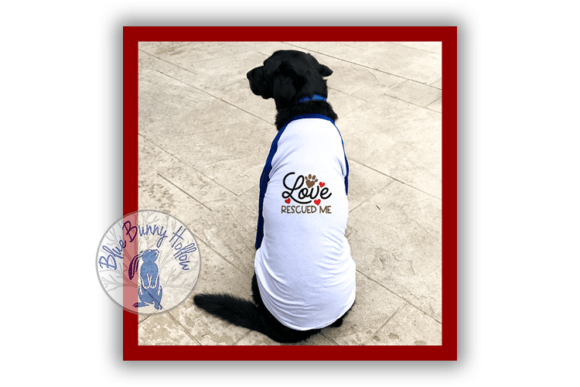
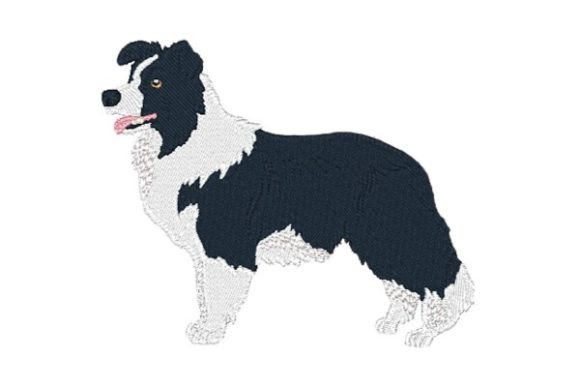
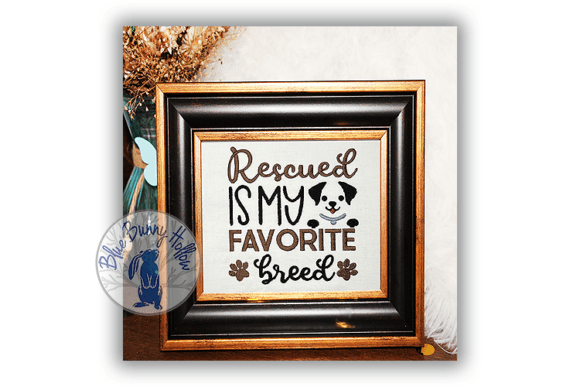
The moment you look at the digital preview of Rescued is My Favorite Breed, it radiates warmth. It isn’t trying to be high-fashion or minimalist; it is designed to evoke emotion. The layout feels balanced, likely centering around a recognizable canine silhouette or typography that anchors the eye. For an embroidery project like this, the mood is everything. You want the viewer to feel an immediate connection to the theme of rescue and love.
From a design standpoint, the visual personality here is approachable. It avoids overly complex shading that might turn into a muddy mess during stitching. Instead, it relies on clear shapes and readable text. This makes it an excellent candidate for various applications, from custom apparel to nursery decor. The design suggests a narrative—it’s not just a dog; it’s a story about choice and kindness. That narrative is what drives engagement on platforms like Etsy or at local craft fairs. Buyers aren’t just buying thread and fabric; they are buying into the ethos of animal rescue.
Real-World Application: Where This Design Shines
I often test designs by imagining them on specific products. For Rescued is My Favorite Breed, several scenarios stand out as particularly strong matches.
- Tote Bag Embroidery: A canvas tote with this design on the front pocket or centered on the body is a classic move. The sturdy fabric holds up well to the stitch density required for bold lettering or detailed outlines. It becomes a walking billboard for the wearer’s values, perfect for dog park runs or grocery trips.
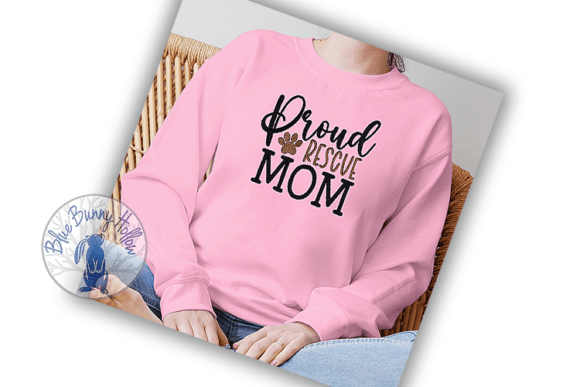
- Sweatshirt Embroidery: Imagine a cozy, heather-gray crewneck with this design placed over the heart. The soft texture of fleece or cotton blends complements the gentle message. This type of personalized gift sells incredibly well during the holiday season because it combines comfort with sentiment.
- Baby Embroidery: For new parents who are rescue advocates, a onesie or burp cloth featuring this design is a hit. The smaller scale requires careful attention to detail, but if the digitizing is clean, it creates a tender keepsake. It fits perfectly into the growing market for meaningful baby gifts.
- Embroidered Patch: If you are creating detachable patches for jackets or backpacks, this design works beautifully. Patches allow for creative backing options (iron-on or sew-on) and give the buyer versatility. It transforms a plain denim jacket into a statement piece.
In these contexts, the design enhances the product value. It elevates a basic commodity item into something special. Customers trust brands that align with their personal values, and seeing a well-executed rescue-themed design builds instant rapport.
Technical Performance and Stitch Clarity
When evaluating any machine embroidery design, I always think about the mechanics. How does the needle interact with the fabric? Does the thread color contrast sufficiently against common material choices?
This design likely utilizes a mix of satin stitch for outlines and text, and fill stitch for solid areas like a dog’s fur or background elements. The key to success here is ensuring the stitch density isn’t too heavy. If the fill areas are too dense, the fabric can pucker, especially on lightweight materials. Conversely, if the stitches are too sparse, the underlying fabric might show through, ruining the clean look.
I recommend testing the design on scrap fabric first. Check how the running stitch details hold up. Are there any tiny elements that might get lost or tangled? Inspect the corners of any lettering or geometric shapes. In real-life use, you want the finished product to look professional, not rushed. A smooth transition between different stitch types is crucial for maintaining the integrity of the image. If the design includes intricate details, ensure your machine is calibrated correctly to handle those nuances without breaking thread.
Where to Exercise Caution
No design is universal, and Rescued is My Favorite Breed has its limitations. There are specific situations where this design might struggle:
- Small Hoop Sizes: If you attempt to digitize or stitch this in a very small hoop, fine details may become indistinct. Text might lose readability, and facial features on a dog illustration could blur together. Stick to medium to large hoops for optimal clarity.
- Textured or Stretchy Fabrics: While this design looks great on stable cottons and canvases, it can be tricky on highly textured fabrics like chunky knits or stretchy jersey. These materials can distort the shape of the design, causing warping. If you must use these fabrics, invest in a high-quality stabilizer to keep the tension even.
- Dark Fabric Backgrounds: Ensure your thread colors provide enough contrast. Light threads on dark backgrounds require multiple passes or a higher stitch count to appear vibrant, which increases the risk of puckering. Test your color combinations thoroughly.
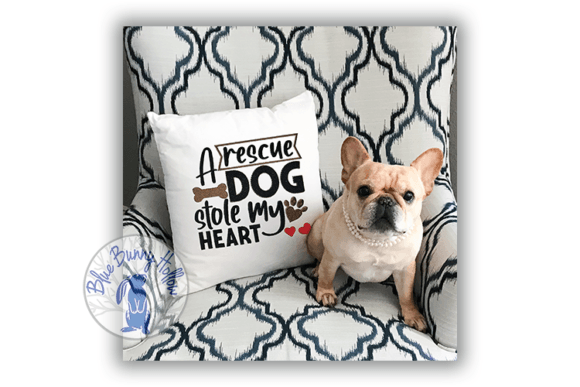
- Curved Surfaces: Embroidering directly onto caps or curved pillow covers adds complexity. The design needs to be adjusted for curvature to avoid distortion. If you are new to curved surface embroidery, practice on cheaper items first.
Practical Notes for Designers and Sellers
For those of you using this design for commercial purposes, such as an Etsy seller or small shop product line, there are a few critical steps to ensure customer satisfaction.
- Check Licensing: Before selling any finished items, confirm the licensing terms of the digital embroidery file. Some designers allow commercial use, while others restrict it to personal projects only. Respecting intellectual property protects your business reputation.
- Test Black and White Mockups: Convert your design to black and white to check the balance of light and dark areas. This helps identify if certain parts of the design will get lost in shadow or highlight.
- Select the Right Stabilizer: Using the correct stabilizer is non-negotiable. Tear-away for wovens, cut-away for knits and stretchy fabrics. Proper support prevents shifting and ensures the final product looks crisp.
- Create Printable Mockups: Use high-quality mockups to showcase the design. A good printable mockup helps customers visualize the final result, increasing conversion rates. Show the design on different garments and accessories to demonstrate versatility.
Ultimately, Rescued is My Favorite Breed is more than just a pattern; it is a tool for expression. Whether you are making a holiday gift for a fellow rescuer or building a brand identity around compassion, this design offers a solid foundation. By paying attention to fabric choice, stabilizer selection, and stitch quality, you can create a finished product that resonates deeply with buyers. It’s a reminder that in both design and life, choosing rescue is always a fantastic choice. Take the time to execute it well, and your customers will notice the difference.