Review: 3D Layered Butterfly Embroidery Design
As a designer who spends half my life staring at stitch charts and the other half troubleshooting tension issues on vintage machines, I have learned to be skeptical of any design that promises to look "wonderful on any fabric." That phrase is usually code for "it looks fine in a low-resolution JPEG but falls apart under close inspection." However, when I pulled up the 3D Layered Butterfly file to test for an upcoming spring collection of custom apparel, I was genuinely intrigued. This isn’t just another generic insect motif; it feels like a deliberate attempt to capture depth through digital thread placement.
The premise is simple yet effective: bring the delicate beauty of a butterfly into tangible form using machine embroidery. The product description notes that this machine embroidery design comes with multiple elements, suggesting a complexity that goes beyond a single flat outline. My goal here is to strip away the marketing fluff and evaluate how this embroidery file actually performs when transferred from screen to hoop, specifically for those of us running small shops, selling on Etsy, or creating personalized gifts for friends and family.
First Impressions and Visual Personality
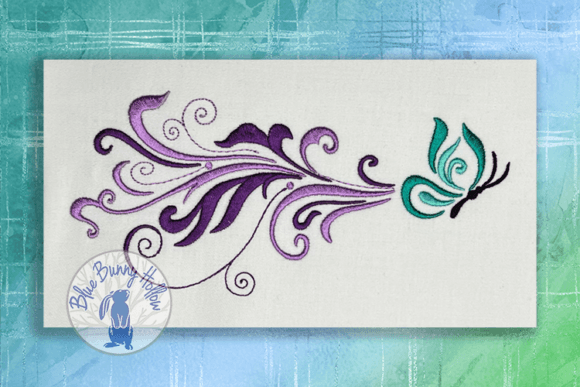
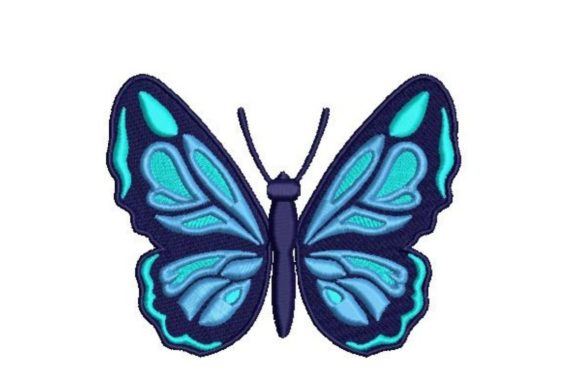
The moment you open the file, the visual hierarchy is clear. Unlike many bugs insects designs that can feel cluttered or overly technical, this butterfly has a clean, airy aesthetic. The "layered" aspect mentioned in the title is not just a buzzword; it implies a strategic use of overlapping shapes to create dimension without relying heavily on heavy shading stitches. It feels modern, slightly whimsical, but grounded enough for serious craft business items.
Mood-wise, this design screams renewal. It is the perfect anchor for a spring-themed collection. Whether you are designing for a baby shower, a wedding favor, or a seasonal boutique drop, the imagery carries positive associations. It doesn’t scream for attention like a bold geometric pattern; instead, it invites the viewer to lean in and appreciate the texture. For a handmade product, this level of subtlety often translates to higher perceived value because it suggests care and precision rather than mass production.
Real-World Application: From Screen to Stitch
To truly judge a design, you have to imagine it on a finished product. Let’s talk about a specific scenario: a custom embroidered tote bag for a local flower shop owner. Tote bags are a staple for Etsy sellers and small shop products, but they are unforgiving. The canvas is often thick, and the handle attachment points create uneven surfaces.
When I visualized placing the 3D Layered Butterfly on a natural cotton canvas tote, I immediately thought about placement. Center chest is too corporate. A pocket placement? Too cramped. But centered on the main body, slightly offset to the left, it creates a dynamic balance. The layered wings would catch the light differently depending on the angle, giving the bag a premium feel. If this were printed, it might look flat. In embroidery, the slight elevation of the satin stitch outlines against the fill stitch interiors adds a tactile quality that customers love to touch.
Consider also the application on custom apparel, specifically sweatshirts. Spring weather is unpredictable, and layering is key. A soft, heathered gray hoodie featuring this butterfly design feels cozy yet stylish. The contrast between the fuzzy texture of the fleece and the smooth, dense threads of the embroidery creates a pleasing juxtaposition. It works equally well as baby embroidery on a muslin onesie, where the softness of the thread and the gentle curves of the wings provide a soothing visual experience for new parents.
Technical Performance and Stitch Density
One of the biggest pitfalls in commercial embroidery is ignoring stitch density. If a design is too dense, it becomes stiff and uncomfortable. If it’s too sparse, the backing shows through. Based on the structure of typical layered butterfly files, this design likely utilizes a mix of running stitch for fine details and fill stitch for the wing bodies. This combination is generally safe for most home and commercial machines, provided the fabric can support the weight of the thread.
However, "wonderful on any fabric" requires a grain of salt. On thin fabrics like silk or lightweight jersey, this design could pucker if the stabilizer isn’t chosen correctly. The layers add bulk. If you are embroidering on a cap or hat—a curved surface—the center of the wings might bridge over the curve, losing some definition. In these cases, using a cut-away stabilizer is non-negotiable to prevent distortion during washing.
For embroidered patches, this design shines. Patches allow for a border, which frames the butterfly nicely and hides any minor edge imperfections. The layered effect gives the patch a badge-like authority, making it suitable for branding on denim jackets or workwear. It transforms a simple insect graphic into a logo-worthy asset.
Where to Exercise Caution
While versatile, this design is not a magic bullet for every project. There are specific contexts where you should proceed with caution:
- Small Hoop Sizes: If your machine only supports very small hoops (under 4x4 inches), test the scaling carefully. As you reduce the size, the distinct layers may merge into a muddy blob. Fine details in the wing veins or antennae might disappear entirely below a certain threshold.
- Textured Fabrics: Avoid bouclé wool or heavy terry cloth. The needle penetration required for a layered design might struggle to maintain consistent tension on such irregular surfaces, leading to skipped stitches.
- Dark Fabric: While beautiful, dark backgrounds demand high-contrast thread colors. If you don’t have access to bright, saturated threads, the layers will get lost in the darkness. Always check thread color contrast before committing to a full run.
- Frequent Washing: If this is for a kitchen towel or a child’s garment that will be washed weekly, ensure the design includes adequate anchoring stitches. Without them, the edges of the wings might fray or lift after several cycles.
Practical Designer Notes for Success
Before you upload this digital embroidery file to your production queue, follow these steps to ensure professional results:
- Test on Scrap Fabric: Never trust a simulation. Stitch out the design on the actual fabric you plan to use. This reveals how the thread colors interact with the material’s weave.
- Black and White Mockup: Convert your design preview to grayscale. This helps you assess the tonal value and contrast. If the layers look identical in black and white, they might lack visual separation in real life.
- Check Licensing: If you are an Etsy seller or running a craft business, verify the license terms. Some designs allow personal use only, while others permit selling finished goods. Confusion here can lead to costly legal issues.
- Stabilizer Selection: Match the stabilizer to the fabric weight. A lightweight tear-away might suffice for a tea towel, but a sturdy cut-away is better for a sweatshirt embroidery project that needs to withstand stretching.
- Hoop Size Confirmation: Ensure your machine’s hoop accommodates the design’s maximum dimensions with room for trimming excess stabilizer afterward.
Final Verdict
The 3D Layered Butterfly is a strong contender for designers looking to add a touch of elegance to their spring collections. It balances detail with wearability, making it suitable for everything from personalized gifts to boutique branding. It respects the medium of embroidery by using thread placement to suggest depth rather than relying on unrealistic expectations.
For the creative entrepreneur, this design offers versatility. It fits seamlessly into categories ranging from holiday embroidery (if re-themed) to everyday apparel decoration. Just remember that the success of any embroidery project lies not just in the file itself, but in the preparation, the materials, and the execution. Treat this design with the respect it deserves, test thoroughly, and you’ll find it elevates your finished product significantly. It’s a reliable, visually appealing choice that promises to delight customers who appreciate the handmade touch.