Review: Melting Skull Embroidery Masterpiece
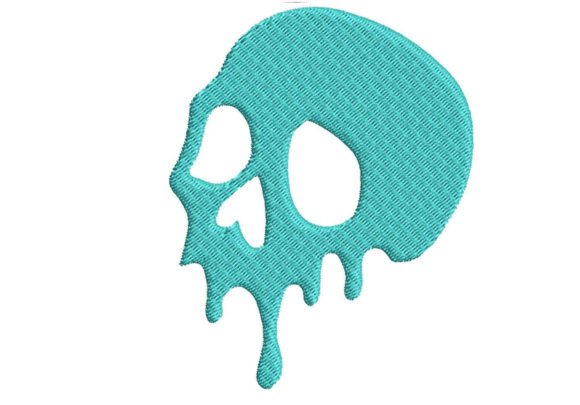
As an embroidery designer who has digitized thousands of designs for clients ranging from local bakeries to national apparel brands, I approach every new digital file with a critical eye. We aren’t just looking for something that looks good on a screen; we are looking for a design that translates flawlessly into thread, holds up to industrial washing, and elevates the perceived value of a small business product. Today, I am reviewing the Embroidery for Melting Skull Masterpiece, a design described as capturing the "liquid essence of transformation." This is a compelling concept, but does it work for practical, commercial application?
First Impressions: Visual Personality and Brand Fit
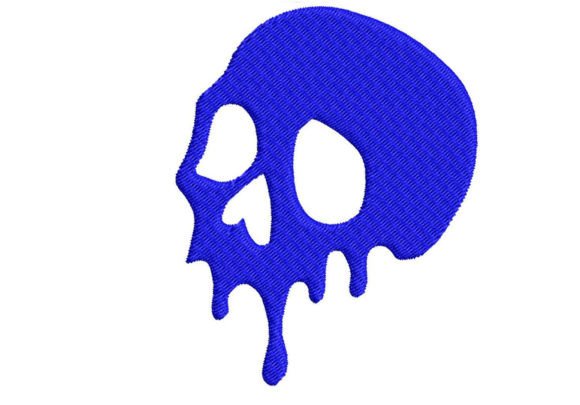
The title alone suggests a bold, artistic direction. When you see words like "melting" and "masterpiece," you expect fluidity and movement rather than rigid, geometric precision. For a small business owner, this distinction is crucial. This design feels less like a traditional corporate logo and more like a statement piece. It leans heavily into a modern, slightly edgy aesthetic that aligns perfectly with creative studios, boutique streetwear brands, or artisanal craft businesses.
In the context of Halloween, this design is undeniably strong. However, its appeal extends beyond the season. The fluid, almost surreal nature of the skull motif allows it to function as a versatile brand asset. It feels premium and handmade, which is exactly what today’s consumer expects when purchasing from Etsy sellers or independent makers. It avoids the cliché of a generic spooky icon, offering instead a sophisticated interpretation of mortality and change. This sophistication can significantly boost customer trust, signaling that the brand pays attention to detail and quality.
Real-World Business Applications
So, where does this machine embroidery design actually shine in a retail environment? Based on my experience with similar complex digitizing projects, the Embroidery for Melting Skull Masterpiece is best utilized as a focal point rather than a subtle accent.
- Embroidered Patches: This is perhaps the strongest use case. The fluid lines of the melting skull translate beautifully onto iron-on or sew-on patches. These patches can be applied to denim jackets, leather bags, or backpacks, turning standard merchandise into high-value custom apparel.
- Apron Embroidery: For coffee shops, breweries, or culinary schools, placing this design on the chest pocket of a black apron creates a striking visual contrast. It adds personality to staff uniforms without being overly distracting.
- Tote Bag Design: Canvas tote bags are a staple for small business merch. A centered placement of this masterpiece on a natural or black canvas bag offers excellent visibility. The design’s scale works well here, allowing the "liquid" details to breathe.
- Cap Embroidery: While cap embroidery requires careful hoop size consideration, this design could work on the front panel of a structured cap if scaled appropriately. It appeals to younger demographics and festival-goers.
- Product Packaging Accents: Smaller versions of this design can be used on hang tags or labels attached to handmade products, reinforcing brand identity across all touchpoints.
For digital embroidery file buyers and product designers, this asset serves as a powerful tool for creating cohesive brand narratives. Whether you are launching a limited-edition Halloween collection or year-round gothic-inspired goods, this design provides a consistent visual language.
Critical Considerations and Placement Warnings
Not every design is suitable for every surface. As a professional reviewer, I must highlight specific areas where this design might struggle if not handled with care. The very features that make it beautiful—fluid lines and potential texture—can become liabilities in certain contexts.
Small Patch Sizes: If you plan to reduce this design to fit on a tiny label or a small button, you risk losing the definition of the "melting" effect. Fine details may merge together, resulting in a muddy appearance. Always test at the actual production size before committing to bulk orders.
Curved Surfaces and Cap Fronts: Digitizing for curved surfaces like caps requires precise tension control. If the stitch density is too high, the fabric may pucker. Given the description of "fluid allure," the design likely relies on smooth satin stitches or dense fill patterns. Ensure your machine settings account for the curvature of the hat or garment to prevent distortion.
Fabric Texture and Color Contrast: This design will perform best on solid, dark fabrics such as black, navy, or charcoal. On light or textured fabrics like raw linen, the intricate details may get lost. Furthermore, if you are using thread colors that do not contrast sufficiently with the base fabric, the "liquid" illusion will fail. Inspect spacing carefully; if the gaps between stitches are too narrow, they may close up during hooping.
High Stitch Density: Designs with high stitch counts can feel stiff and heavy. If this masterpiece uses significant underlay or dense fills, it may not be ideal for lightweight t-shirts where breathability is key. It is better suited for heavier materials like denim, canvas, or thick cotton blends.
Impact on Brand Identity and Professionalism
Using a high-quality embroidered patch or direct-to-garment design signals professionalism. Customers associate detailed, clean embroidery with durability and care. The Embroidery for Melting Skull Masterpiece, when executed correctly, enhances product value by adding a layer of artistry that print cannot replicate. It fosters buyer engagement because customers appreciate the tactile experience of embroidery. It transforms a simple commodity into a tangible piece of art.
However, visual consistency is key. Ensure this design aligns with your other design assets. If your brand is typically minimalist and soft, a bold, melting skull might clash. But if your brand embraces edginess, creativity, or alternative aesthetics, this design will resonate deeply with your target audience.
Practical Designer Notes for Production
Before you upload this file to your production queue, follow these essential steps to ensure success:
- Test in Black and White: Convert the design to monochrome first. This helps you evaluate the balance of positive and negative space without the distraction of color.
- Check Hoop Size: Confirm the required hoop dimensions match your equipment. Large, complex designs may require multiple hoops, increasing production time and cost.
- Stabilizer Selection: Use a proper stabilizer appropriate for your fabric type. Cut-away stabilizers are often recommended for stretchy or heavy garments to prevent shifting.
- Thread Color Contrast: Review the suggested thread palette. Ensure there is enough contrast between the background fabric and the primary thread colors to maintain legibility.
- Create a Printable Mockup: Before stitching, create a digital mockup on your actual product. This allows for client approval and helps visualize the final result.
- Commercial Licensing: Most importantly, confirm commercial licensing terms. Ensure you have the right to sell finished goods featuring this design. Do not assume personal-use licenses cover merchandise sales.
By treating the Embroidery for Melting Skull Masterpiece with the respect it deserves—through careful testing, appropriate material selection, and strategic placement—you can turn this unique digitizing masterpiece into a cornerstone of your small business merch lineup. It is not just a decoration; it is a statement of quality and style.