3D Love Design: A Designer’s Review for Seasonal Success
As an embroidery designer who spends countless hours digitizing and testing files, I look at every new addition to my library through a specific lens: Will this sell? It is not enough for a design to simply stitch out cleanly. For a product to succeed in today’s competitive market, it must evoke emotion, fit seamlessly into holiday aesthetics, and perform reliably on various fabrics. Today, I am reviewing the 3D Love Design, a piece that has caught my eye for its potential in upcoming seasonal collections.
This review is tailored for Etsy sellers, small business owners, and handmade gift makers who are planning their inventory for holidays and celebrations. If you are looking to expand your Valentine S Day offerings or build a year-round collection of romantic decor, understanding the practical application of this embroidery file is crucial. Below, I break down the first impressions, selling potential, technical considerations, and strategic advice for integrating 3D Love Design into your shop.
First Impressions: Mood and Visual Appeal
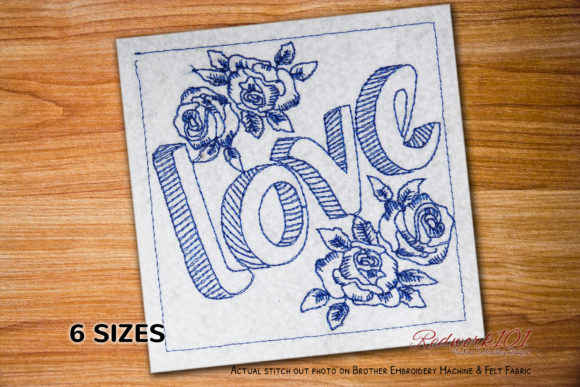
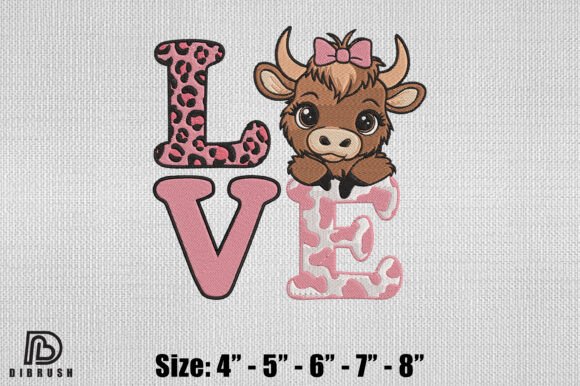
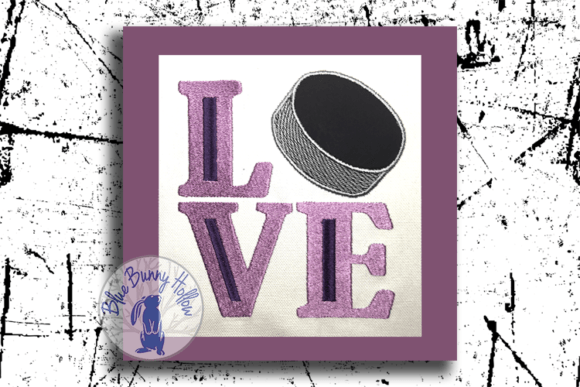
The moment you preview 3D Love Design, the seasonal mood is immediately apparent. The name suggests a classic romantic theme, but the execution defines its versatility. In the context of seasonal embroidery, this design strikes a balance between modern elegance and nostalgic charm. It feels premium without being overly ornate, making it suitable for a wide range of customer demographics.
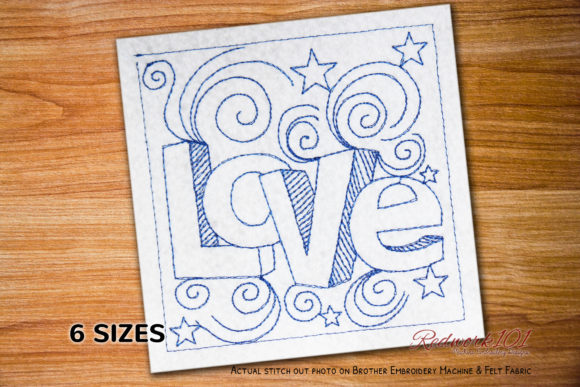
Visually, the design leverages texture to create depth. This is particularly effective for holiday embroidery projects where tactile appeal drives sales. Whether used on a cozy sweatshirt or a delicate pillow cover, the visual weight of the design commands attention. It is not merely decorative; it serves as a focal point that enhances the perceived value of the finished product. For social media previews and product mockups, this high-contrast, textured look translates beautifully, ensuring your listings stand out in crowded feeds.
The emotional tone is warm and inviting. It taps into the universal desire for connection and affection, which is the core driver behind many personalized gift purchases. By choosing a design that feels both timeless and current, you position your brand as one that understands the nuances of holiday shopping trends.
Selling Potential: Where 3D Love Design Shines
When planning a small shop product line, variety is key. 3D Love Design offers exceptional flexibility across multiple categories. Here is how I see it performing in real-world selling situations:
- Sweatshirt Embroidery: This is perhaps the most lucrative category for holiday apparel. The design works exceptionally well on heavyweight cotton blends, adding a touch of sophistication to casual wear. It appeals to buyers looking for comfortable yet stylish gifts for partners or family members.
- Tote Bag Design: A canvas tote embroidered with this design makes for an excellent everyday carry item. It bridges the gap between utility and fashion, appealing to younger demographics who appreciate artisanal touches on functional goods.
- Kitchen Towel Embroidery: Home decor remains a strong seller during the holidays. Placing this design on high-quality linen or cotton kitchen towels creates a charming, rustic aesthetic that fits perfectly in farmhouse-style interiors.
- Pillow Cover and Home Accents: For customers seeking to refresh their living spaces, embroidered pillow covers offer a low-cost, high-impact upgrade. The design’s romantic theme makes it ideal for Valentine’s Day displays or year-round bedroom decor.
- Embroidered Patch: Creating patches from this design allows for creative applications on denim jackets, backpacks, and beanies. Patches are highly shareable on social media, driving organic traffic to your shop.
- Baby Items and Aprons: The softness associated with the design’s theme makes it suitable for baby onesies or burp cloths. Similarly, aprons featuring this motif add a personal touch to cooking enthusiasts’ kitchens.
In terms of marketing, this design supports various promotional strategies. It can be bundled into gift bundles (e.g., a mug with a matching coaster and towel), featured in limited-edition apparel drops, or used in printable promotional graphics to highlight seasonal discounts. Its adaptability ensures it remains relevant whether you are targeting craft fair visitors or online shoppers.
Technical Considerations and Careful Application
While 3D Love Design shows great promise, a professional approach requires caution regarding its technical limitations. Not every fabric or machine setting will yield the best results. As an experienced designer, I advise the following precautions:
- Hoop Size Constraints: Always verify the recommended hoop size before finalizing product dimensions. Attempting to enlarge the design beyond its optimal scale can distort proportions, while shrinking it too much may lose critical details.
- Fabric Texture and Stability: Thick towels or stretchy garments require robust stabilization. Without proper support, the stitch density may cause puckering or distortion. Use cut-away stabilizers for knits and woven fabrics to ensure longevity.
- Thread Colors and Contrast: Test thread colors on both light and dark fabrics. The effectiveness of the design relies heavily on contrast. On dark fabrics, consider using metallic threads or lighter base colors to maintain visibility, but be aware that metallic threads can increase friction and breakage rates.
- Small Details and Lettering: If the design includes intricate elements or tiny lettering, avoid using it on items that undergo repeated washing, such as dishcloths or baby clothes. Over time, these fine details may fray or become illegible.
- Curved Caps and Hard-to-Hoof Items: While possible, embroidering on curved surfaces like caps requires advanced techniques. Ensure your equipment and skills match the complexity of the task to avoid misalignment.
Strategic Notes for Digital Embroidery File Buyers
To maximize the success of your commercial embroidery projects, keep these practical tips in mind:
- Test Before You Sell: Never assume a design will stitch perfectly on the first try. Create a sample run to check thread colors, tension, and overall appearance. This step builds customer trust and reduces return rates.
- Realistic Mockups: Invest time in creating high-quality printable mockup images. Show the design on actual products rather than generic templates. Realistic visuals help customers visualize the final result, increasing conversion rates.
- Commercial Licensing: Confirm the licensing terms before selling finished products. Ensure you have the right to use 3D Love Design for commercial purposes to avoid legal issues.
- Plan Matching Palettes: Develop cohesive color schemes that align with seasonal trends. For example, pair red and pink threads for Valentine’s Day, or gold and white for winter holidays. Consistency in branding enhances recognition.
- Check Stitch Density: High-density areas may require additional passes or specialized needles. Understanding the technical specifications helps prevent machine errors and ensures a smooth production process.
In conclusion, 3D Love Design is a versatile and emotionally resonant choice for any handmade gift or seasonal embroidery collection. Its ability to elevate simple items into cherished keepsakes makes it a valuable asset for serious sellers. By paying attention to technical details and strategic presentation, you can leverage this design to drive sales and build a loyal customer base. Remember to always test thoroughly, respect the limits of your materials, and focus on delivering quality that reflects your brand’s commitment to excellence.