3D Pyramind: A Designer’s Review for Craft Fair Success
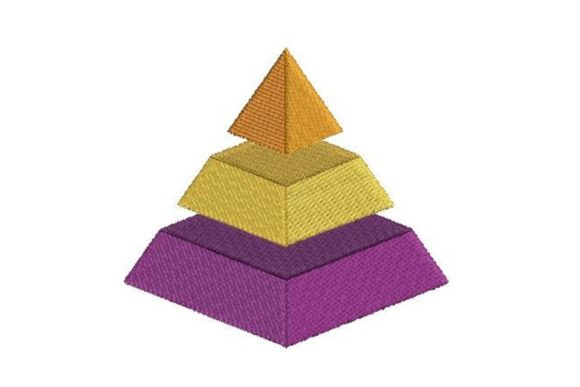
As an embroidery designer who has spent years judging what sells at weekend craft fairs and handmade markets, I look at a design file and immediately ask: Will this stop a browser in their tracks? Will it translate well from a digital screen to a physical product? When reviewing the 3D Pyramind, a machine embroidery design categorized under Intricate Cuts, my initial reaction was one of cautious optimism. The title suggests something geometric and bold, while the description promises an "original touch" that can turn ideas into great artworks. But does it have the commercial viability to become a bestseller in your Etsy shop or on your booth table?
First Impressions: Bold Geometry Meets Handmade Charm
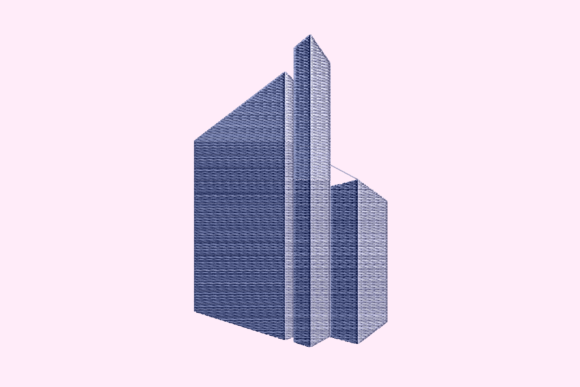
The first thing you notice about the 3D Pyramind is its potential for visual impact. In a sea of floral patterns and cursive script fonts, a pyramid offers a stark, modern contrast. It feels less like a traditional farmhouse motif and more like a contemporary graphic statement. This makes it particularly appealing to buyers looking for something unique—a craft fair product that stands out from the mass-produced items often found at big-box retailers.
From a design perspective, the "Intricate Cuts" category suggests that this is not a simple fill stitch. It likely involves varied thread paths, perhaps some negative space techniques, or layered elements that create depth. For a customer walking by your booth, this complexity reads as "premium." It signals that time and skill went into creating the item. However, the term "Pyramind" (with its stylized spelling) adds a playful, slightly quirky element. This duality—geometric precision mixed with playful branding—is exactly what drives impulse buys among younger demographics and creative entrepreneurs.
Product Applications: Where Does 3D Pyramind Shine?
To determine if this embroidery file will move units, we need to test it mentally against various handmade products. Here is how I envision the 3D Pyramind performing across different categories:
- Tote Bags: This is arguably the strongest application. A canvas tote bag provides a large, flat surface that allows the intricate cuts of the pyramid to breathe. Placed centrally or slightly off-center, it becomes a tote bag design that doubles as wearable art. The geometry complements the utilitarian nature of the bag, making it feel both stylish and functional.
- Aprons and Tea Towels: For the kitchen market, the pyramid works well as a focal point. On a solid-colored linen apron, the design adds a modern twist to a classic item. Similarly, on a tea towel embroidery project, the sharp lines of the pyramid contrast beautifully with the soft texture of cotton or flannel. It appeals to home cooks who want their kitchen tools to look curated rather than generic.
- Caps and Patches: Embroidering a complex geometric shape on a curved cap surface requires precision. If the design is too dense, it may pucker on the structured front of a hat. However, if digitized correctly, a small version of the pyramid makes for a striking embroidered patch style logo on a dad hat or beanie. It gives the accessory a streetwear vibe that is currently trending.
- Pillow Covers and Small Pouches: For home decor, the pyramid serves as a sophisticated accent. It pairs well with neutral palettes like sage green, terracotta, or navy blue. On small pouches, it acts as a quick, high-impact decoration that doesn’t overwhelm the limited stitching area.
Production Practicality: Batch Making and Quality Control
For any Etsy seller or small shop product creator, efficiency is key. You need designs that are repeatable without sacrificing quality. The 3D Pyramind presents specific production considerations. Because it falls under "Intricate Cuts," you must evaluate the stitch density carefully. High-density areas can lead to hooping issues, especially on stretchy fabrics or thick materials like denim.
When preparing for a craft fair, you will likely be producing these items in batches. The design’s clarity at smaller sizes is crucial. If you plan to sell mini-pouches or keychains, test the design down to those dimensions. Tiny details in intricate cuts can get lost or merge together if the scale is too small. I recommend creating a printable mockup or a physical sample at the smallest intended size to ensure the pyramid remains recognizable and distinct.
Photography is another critical factor. Geometric designs photograph exceptionally well because they catch light and shadow in predictable ways. The "3D" aspect implied in the name suggests layering or shading that will pop in photos. This is vital for online listings where customers cannot touch the product. A well-lit photo of the 3D Pyramind on a textured fabric can convey the tactile quality of the embroidery, increasing conversion rates.
Careful Use Notes and Technical Advice
Before committing to full-scale production, every experienced designer knows to run a few tests. Here are the essential checks for the 3D Pyramind:
- Fabric Texture: Test on the actual fabric you intend to sell. The design may look clean on smooth cotton but lose definition on heavily textured towels or nubby linens. The intricate cuts might get swallowed by the weave if the fabric is too rough.
- Thread Contrast: Choose thread colors that offer strong contrast against the fabric. Since the design relies on geometric shapes, low-contrast threads (like beige on cream) may make the pyramid look muddy. Bold colors will enhance the "modern" feel.
- Hoop Size and Stabilizer: Confirm the recommended hoop size for the design. Using the wrong stabilizer can cause distortion, especially in the pointed tips of the pyramid. A cut-away stabilizer is often safer for intricate designs on garments to prevent puckering over time.
- Dense Stitch Areas: Inspect the digitization for overly dense clusters. If the pyramid has large filled areas, ensure the needle won't break and the fabric won't tear. Thin needles (size 75/11 or 90/14) are usually best for detailed work.
Marketing the Design: Selling the Story
Finally, how do you sell the 3D Pyramind? Position it as a piece of wearable architecture. Highlight its uniqueness compared to standard floral motifs. Use keywords like "modern embroidery," "geometric art," and "unique handmade gift." For your booth display, group items featuring the pyramid together to create a cohesive visual theme. This brand consistency helps customers associate the design with quality and style.
Remember to check the commercial licensing terms before selling finished products. Ensure you have the right to use the digital embroidery file for commercial purposes. If the license restricts sales, consider offering the design as a design asset to other embroiderers instead.
In conclusion, the 3D Pyramind is a versatile, eye-catching design with strong potential for the handmade market. Its blend of geometric precision and playful branding makes it suitable for a wide range of products, from tote bags to home decor. By paying attention to production details like fabric choice and stitch density, you can transform this machine embroidery design into a profitable addition to your craft fair inventory. Test it, refine it, and let its original touch elevate your brand.