3D Pyramid: A Designer’s Review for Small Business Branding
As an experienced embroidery designer, I spend my days evaluating digital assets not just for their aesthetic appeal, but for their viability in commercial production. When a client or a fellow entrepreneur asks about a machine embroidery design for branded merchandise, they are rarely looking for decoration alone; they are looking for brand reinforcement, perceived value, and durability. Today, we are reviewing the 3D Pyramid design from the Shapes category. This piece is marketed as a versatile option that can be embroidered on any kind of fabric, promising a perfect stitch result for those who enjoy high-quality projects. But does it hold up under the scrutiny of small business merchandising? Let’s dive into the practical realities of using this embroidery file for patches, uniforms, and branded goods.
First Impressions: Bold Geometry Meets Professional Utility
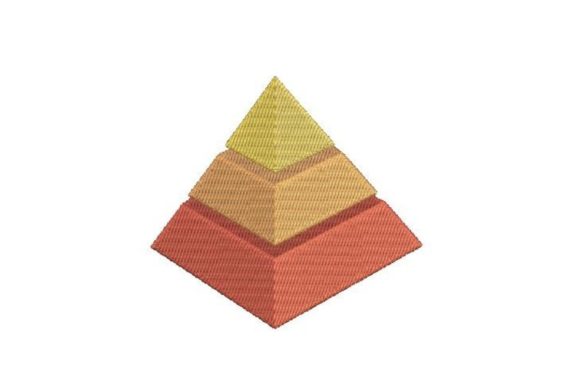
The first thing you notice about the 3D Pyramid is its structural integrity. In the world of shapes within embroidery, geometric designs often walk a fine line between looking like modern art and looking like simple clipart. The pyramid form, however, carries inherent weight. It suggests stability, foundation, and precision—traits that resonate well with brands that want to project reliability. Whether you are running a boutique coffee shop, a creative studio, or a handmade jewelry brand, this design feels less "playful" and more "established."
The description notes that stitching perfectly will make this a highly enjoyable project. From a designer’s perspective, this implies that the digitization likely has clean pull compensation and balanced stitch angles. For a small business owner, this means fewer hooping errors and less trimming time. The visual personality of the 3D Pyramid is clean and somewhat rustic yet premium. It works exceptionally well for brands that want to avoid overly complex logos while still maintaining a distinct visual identity. It is bold enough to stand out on a dark tote bag but subtle enough to serve as a discreet chest logo on a work shirt.
Real-World Applications for Merchandise and Patches
Where does the 3D Pyramid shine in a commercial setting? Its simplicity makes it incredibly adaptable across various product types. Here is how I see this digital embroidery file performing in real business scenarios:
- Embroidered Patches: Geometric shapes are ideal for patches because they lack intricate curves that might fray or lose definition at smaller sizes. The 3D Pyramid creates a striking focal point on a square or circular patch backing. This is perfect for custom apparel where a brand mark needs to be visible but not overwhelming.
- Staff Uniforms and Aprons: For cafes, bakeries, or florists, staff wear needs to be professional yet approachable. Placing a small 3D Pyramid on the chest pocket of a uniform adds a touch of modern flair without distracting from the service role. On apron embroidery, it serves as a sturdy anchor point that won’t distort during heavy use.
- Caps and Headwear: Cap embroidery requires designs that conform to curved surfaces. The symmetrical nature of the pyramid allows it to sit flat against the front panel of a cap. It reads clearly even when viewed from a distance, making it excellent for event merch or promotional hats.
- Tote Bags and Canvas Goods: Tote bag design opportunities are vast for Etsy sellers and craft businesses. The 3D Pyramid pairs beautifully with minimalist typography. Imagine the shape stitched in a contrasting thread color on a natural canvas bag—it screams "handmade product" quality and appeals directly to the target demographic of conscious consumers.
- Product Packaging Accents: Don’t overlook packaging. Stitching this design onto hang tags, garment labels, or gift boxes elevates the unboxing experience. It signals to the customer that attention to detail matters, reinforcing brand identity before the product is even used.
Strategic Considerations and Limitations
No design is without its challenges. As a reviewer, I must highlight where the 3D Pyramid might require careful handling to ensure a successful finished product.
Size Constraints: While the pyramid is simple, reducing it too far can cause issues. If you attempt to embroider this at a very small patch size (under 1 inch), the density of the fill stitches may become too thick, causing the fabric to pucker or the shape to look muddy. Always test your scale before committing to bulk production.
Fabric Texture and Stability: The prompt mentions it works on "any kind of fabric," which is marketing speak rather than technical fact. On highly textured fabrics like chunky knits or raw denim, the clean lines of the pyramid may get lost. You must use a proper stabilizer to support the fabric structure. Without adequate stabilization, the tension of the thread colors could distort the geometric shape, ruining the crispness of the design.
Dark Uniforms and Contrast: Because the design relies on solid fills, contrast is key. On dark uniforms, you need bright or light threads to make the pyramid pop. If the thread choice is poor, the design will disappear into the background, failing to provide the visual consistency required for professional branding.
Impact on Brand Identity and Customer Trust
In the competitive landscape of small business merch, every touchpoint counts. The 3D Pyramid contributes to brand identity by communicating precision and strength. When a customer sees a well-executed embroidery job, it subconsciously translates to trust in the product itself. A sloppy stitch suggests a sloppy business; a clean, dense pyramid suggests competence.
This design enhances buyer engagement by offering a tactile experience. Embroidery adds depth and texture that printed graphics cannot replicate. By choosing a durable commercial embroidery method for your design assets, you are signaling that your brand is built to last. This perception increases the perceived value of your items, allowing for healthier profit margins on handmade products and boutique merchandise.
Practical Designer Notes for Production
Before you load this embroidery file into your machine for a large order, follow these essential steps to protect your investment:
- Test in Black and White: Convert the design to a single color view first. This helps you evaluate the stitch direction and density without being distracted by color choices. Ensure the spacing between elements is sufficient to prevent thread breaks.
- Check Hoop Size and Placement: Confirm that the hoop size of your design fits comfortably within the printable area of your specific garment or accessory. For caps and bags, placement is critical for aesthetics.
- Thread Color Contrast: Select thread colors that offer high contrast against your base fabric. Run a quick swatch test to see how the thread sheen interacts with your material.
- Create a Printable Mockup: Before sewing, create a printable mockup or a digital render to show clients or stakeholders. This manages expectations regarding size and color accuracy.
- Confirm Commercial Licensing: Most importantly, verify the licensing terms. Even if the file says it comes with multiple formats, ensure you have the right to sell physical products made from this design. Do not assume usage rights; check the documentation provided with the purchase.
The 3D Pyramid is a strong candidate for entrepreneurs looking to add a touch of geometric elegance to their brand. It balances modern aesthetics with traditional craftsmanship, making it suitable for a wide range of industries. By testing thoroughly and paying attention to fabric and stabilizer choices, you can turn this simple shape into a powerful tool for brand recognition and customer loyalty.