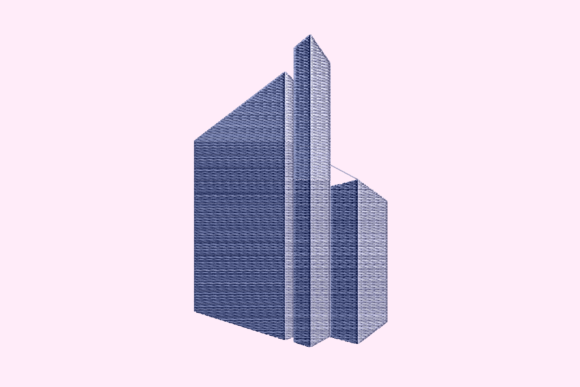
Cube 3D Embroidery Design Review
As an embroidery designer who has spent years translating brand concepts into tangible thread, I look at every new digital file with a mix of skepticism and excitement. When a design claims to make creations seem "out of this world," my first instinct is to check if the execution matches the hype. The Cube 3D embroidery design, categorized under Intricate Cuts, promises a modern geometrical accent for any fabric. But for small business owners, Etsy sellers, and apparel decorators, the real question isn't just about aesthetics—it’s about viability. Can this design survive the rigors of commercial production while maintaining its visual integrity? In this review, I break down how Cube 3D performs as a branded asset for merchandise, patches, uniforms, and custom apparel.
First Impressions: Modern Geometry Meets Professional Polish
The title Cube 3D immediately suggests structure, precision, and a contemporary edge. Unlike organic floral patterns or whimsical illustrations that dominate the handmade market, a geometric cube offers a sense of stability and modernity. From a design perspective, this makes it incredibly versatile. It feels premium rather than playful, which is a crucial distinction when targeting high-end boutique merchandise or corporate uniform branding.
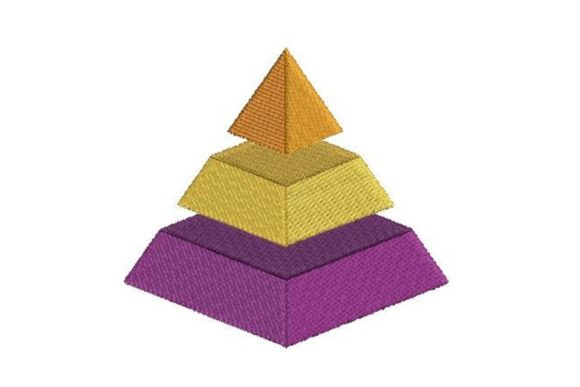
Visually, the design likely relies on clean lines and distinct shading techniques to achieve that three-dimensional effect. For a small business owner, this translates to a logo or accent mark that looks sharp even from a distance. It doesn’t scream for attention; instead, it commands respect through clarity. This subtlety is perfect for brand identity work where you want customers to recognize your aesthetic without being overwhelmed by noise. Whether you are running a creative studio, a tech-focused startup, or a minimalist fashion label, the geometric nature of Cube 3D aligns well with brands that value efficiency and modern design principles.
Real-World Business Applications: Where Cube 3D Shines
In my experience, the most successful embroidered designs are those that adapt seamlessly across multiple product types. Cube 3D shows strong potential in several key areas of small business merchandising.
- Embroidered Patches: Geometric shapes are ideal for patches because they hold their form well. A cube can serve as a standalone badge for denim jackets, backpacks, or tote bags. Its structured edges prevent the "blobby" look that often plagues complex designs when scaled down.
- Staff Uniforms and Aprons: For cafes, bakeries, or florists looking to elevate their staff appearance, a subtle geometric accent on the chest or sleeve adds professionalism without being distracting. It works particularly well on dark uniforms, provided the thread contrast is managed correctly.
- Cap Embroidery: Caps require designs that conform to curved surfaces. A 3D cube, if stitched with appropriate puff techniques or dense fill stitches, can pop nicely on the front panel of a baseball cap, creating a tactile focal point that draws the eye.
- Tote Bag Designs: Canvas totes are a staple for craft businesses and Etsy sellers. Cube 3D offers a clean, uncluttered look that pairs well with bold typography. It serves as a sophisticated background element that allows other brand messaging to shine.
- Product Packaging Accents: Beyond clothing, this design can be applied to garment tags, hang tags, or even directly onto packaging materials like paper bags or boxes, adding a tactile layer of quality to the unboxing experience.
Strategic Brand Identity and Customer Trust
Every stitch contributes to your brand narrative. Using a design like Cube 3D signals that your business values precision and modern aesthetics. In a market saturated with generic clip-art-style embroidery, a well-executed geometric design helps differentiate your products. It suggests that you pay attention to detail—a trait that transfers directly to customer trust.
When a customer sees a crisp, professionally finished 3D cube on a hoodie or apron, they perceive higher value. This visual consistency reinforces brand recognition. If your logo incorporates geometric elements, using Cube 3D as a complementary design asset creates a cohesive visual language across all your design assets. It tells your audience that your brand is intentional, organized, and forward-thinking.
Practical Designer Notes: Technical Considerations
Before purchasing or downloading this digital embroidery file for commercial use, there are critical technical steps you must take. As a professional, I cannot stress enough the importance of testing before mass production.
- Test in Black and White: Before committing to expensive specialty threads, run a test stitch in black and white. This helps you evaluate the balance of positive and negative space. If the design looks muddy or unclear in monochrome, it will struggle in color.
- Check Stitch Density: High stitch density can cause puckering on lightweight fabrics. Ensure the stabilizer you choose matches the weight of your fabric. For stretchy materials like jersey, a cut-away stabilizer is essential to maintain the integrity of the 3D effect over time.
- Hooping and Fabric Texture: Confirm the hoop size required for the design. If you are embroidering on curved items like caps, ensure your machine has the necessary capabilities. Also, consider the fabric texture; rough burlap may obscure fine details, while smooth cotton twill will highlight them.
- Thread Color Contrast: The "3D" aspect relies heavily on lighting and shadow. Choose thread colors that provide sufficient contrast against your base fabric. Metallic or variegated threads might add flair but could complicate the geometric clarity.
- Commercial Licensing: Always verify the license terms. Just because you bought the file doesn't automatically grant you the right to sell unlimited quantities of finished goods. Check for restrictions on reselling the digital file itself versus selling physical products made with it.
Where to Use Cube 3D Carefully
While Cube 3D is versatile, it is not a one-size-fits-all solution. There are scenarios where this design might fail to deliver the desired impact.
Avoid using this design on very small patch sizes unless it has been specifically digitized for miniaturization. Small geometries can lose definition and turn into indistinct blobs. Similarly, be cautious with tiny lettering adjacent to the cube; legibility is paramount for brand names. On textured fabrics like heavy wool or terry cloth, the fine lines of the cube may get lost in the nap of the material. Finally, for items that undergo frequent industrial washing, such as restaurant aprons, ensure the design uses durable stitch types that won’t unravel or distort after dozens of cycles.
Final Verdict for Small Business Owners
Cube 3D is a strong contender for businesses seeking a modern, professional aesthetic. Its geometric simplicity allows it to blend seamlessly into various product categories, from custom apparel to branded accessories. However, success depends on proper execution. By following best practices—testing on real fabric, choosing the right stabilizer, and verifying commercial licensing—you can transform this digital file into a high-value physical product.
For Etsy sellers and crafters, this design offers a way to elevate standard merchandise into something that feels curated and premium. For larger operations, it provides a consistent, scalable graphic element that reinforces brand identity. If you are looking to add a touch of modern geometry to your inventory, Cube 3D is worth considering, provided you approach the production process with the same precision the design demands.