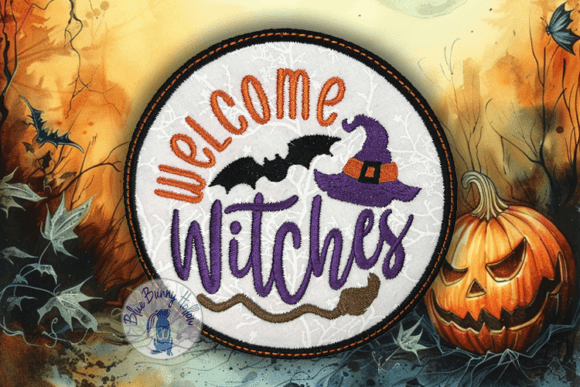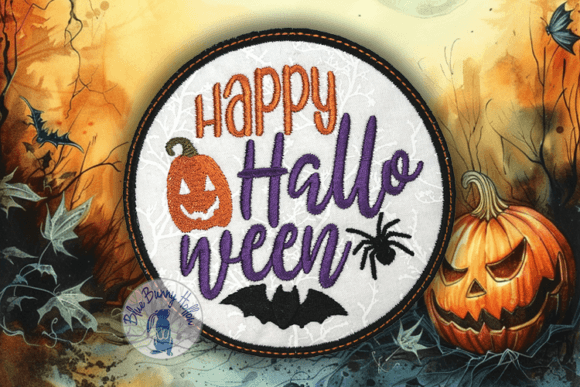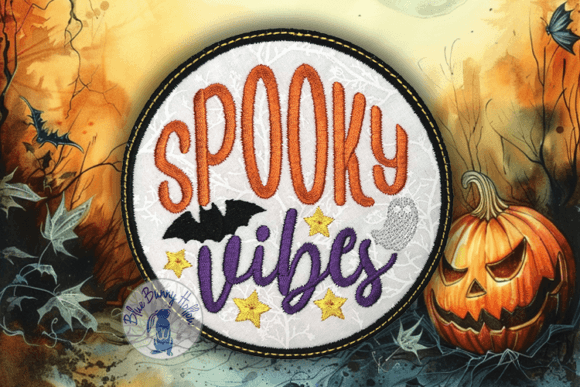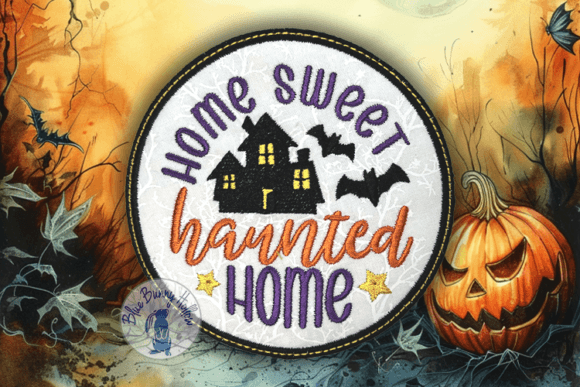
Home Sweet Haunted Home, Halloween Coaster
As a designer who spends half my life staring at stitch charts and the other half troubleshooting tension issues on my embroidery machine, I don’t just look for "cute" designs. I look for viability. I look for designs that translate well from the digital file to the fabric, that hold up under scrutiny, and that add genuine value to a finished product. When Home Sweet Haunted Home, Halloween Coaster landed in my review queue, I was immediately interested. The concept of an in-the-hoop (ITH) coaster is practical, but the execution is where most designs fail. Does this design offer more than just a seasonal gimmick, or is it a solid asset for your craft business?
First Impressions: Mood and Visual Personality
The moment you open the file, the mood is set. This isn’t a dark, gothic horror piece; it’s approachable, whimsical, and undeniably cozy. The title suggests a narrative—a home that embraces the spooky season without being aggressive. Visually, the layout feels balanced. For an in-the-hoop project, the structural integrity of the shape is paramount. If the outer shell doesn’t align perfectly with the inner lining, the final product looks amateurish.
From a design perspective, the character work appears adorable yet distinct. It avoids the trap of being too generic. In a market saturated with basic pumpkins and bats, a design with personality stands out. It creates a sense of warmth despite the Halloween theme. This emotional connection is crucial for handmade products. Customers aren’t just buying a coaster; they are buying a feeling of festive cheer for their kitchen or entryway table.
Real-World Application: Beyond the Coaster
While the primary use case is clearly a coaster, a savvy Etsy seller or small shop owner knows how to pivot a successful design into multiple revenue streams. I tested my mental visualization of this design across several different mediums to see where it fits best.
Custom Apparel and Accessories
Imagine applying this motif to a high-quality canvas tote bag design. The sturdy fabric can handle the density of the stitching, and the playful nature of the design appeals to a broad demographic. Alternatively, consider a sweatshirt embroidery application for fall. Placed on the chest pocket or centered on the back, it offers a subtle nod to the holiday without overwhelming the garment. The key here is scale. You must ensure the hoop size allows for enough detail to remain crisp when scaled up.
Baby and Nursery Items
Halloween is often associated with older children, but there is a growing market for gentle, non-scary holiday items for babies. A soft onesie or a nursery wall hanging featuring this design could be a hit. However, caution is required. For baby embroidery, you must verify that there are no small, detachable parts if the design includes applique elements. The stitch density should be reviewed to ensure it isn’t too stiff against delicate skin.
Kitchen and Home Décor
Beyond coasters, this design translates beautifully to kitchen towels or tea towels. These are popular impulse buys at craft fairs. The rectangular shape of a towel provides ample space for the design to breathe. You might also consider using it as a focal point for a pillow cover, adding texture to living room decor. The versatility of this embroidery project lies in its adaptability to various home textile formats.
Technical Performance and Stitch Quality
When evaluating any machine embroidery design, the devil is in the details. For Home Sweet Haunted Home, Halloween Coaster, we need to look at how the stitches interact.
- Satin Stitch vs. Fill Stitch: Outlines typically use satin stitches, which provide a clean edge. If the design relies heavily on dense fill stitches for the background, you risk puckering, especially on thinner fabrics. Ensure the stabilizer choice matches the fabric weight.
- Thread Colors: The effectiveness of this design hinges on color contrast. On dark fabrics, light threads will pop, but you may need a heavier stabilizer to prevent show-through. On light fabrics, darker threads create a striking silhouette. Always test thread combinations before committing to bulk production.
- Detailed Corners: In-the-hoop projects often have tight corners. Check if the design uses running stitch or fine satin to navigate these areas. Poorly executed corners can lead to thread breaks or unsightly bunching.
Where to Use Carefully
No design is perfect for every surface. There are specific scenarios where Home Sweet Haunted Home, Halloween Coaster might struggle.
- Stretchy Fabrics: Avoid using this on un-stabilized knit fabrics like t-shirt material unless you are confident in your hooping technique. Stretch can distort the symmetry of the coaster shape.
- Textured Fabrics: Heavily textured materials, such as chunky knits or rough burlap, can obscure fine details. The intricate parts of the design may get lost in the weave.
- Curved Surfaces: While great for flat items, applying this to curved surfaces like caps requires careful planning. The curvature can stretch the design, making features look elongated or misaligned.
- Small Hoop Sizes: If you are working with very small hoops, ensure the design resolution remains clear. Tiny lettering or fine lines might become indistinguishable after stitching.
Designer Notes for Commercial Success
If you are planning to sell finished products made from this design, consider the following practical steps to maximize quality and customer satisfaction.
Test Before You Sell
Never skip the scrap fabric test. Stitch the design out on the exact fabric you plan to use. Inspect the back of the work for excessive backing or stiffness. Check the alignment of the in-the-hoop components. If the inner and outer layers do not match up perfectly, the product will feel cheap. Correcting this early saves you from returns and bad reviews.
Visual Presentation
In the age of online shopping, your photos are everything. Create printable mockups that showcase the design in lifestyle settings. Show the coaster on a dining table with autumn leaves, or attached to a tote bag. High-quality visuals build trust and help buyers visualize the finished product in their own homes. Use black and white mockups to check contrast levels—if it doesn’t read well in grayscale, it might lack sufficient visual impact.
Licensing and Commercial Rights
Before listing any item for sale, confirm the licensing terms of the digital embroidery file. Some designers allow personal use only, while others permit commercial sales of a limited number of units. Respecting intellectual property protects your craft business from legal issues. Clear communication about what customers are purchasing—whether it’s a physical item or a design asset—is essential for professional branding.
Final Verdict
Home Sweet Haunted Home, Halloween Coaster is a charming, well-conceived addition to any seasonal collection. It balances thematic relevance with aesthetic appeal, making it suitable for a wide range of applications, from personal gifts to boutique merchandise. Its success depends largely on proper execution: choosing the right fabric, stabilizer, and thread colors. By testing thoroughly and presenting the final product professionally, you can turn this design into a standout item that resonates with customers looking for a touch of spooky charm in their daily lives. It is a reliable tool for any designer aiming to capture the heart of the holiday season through the art of embroidery.