Skeleton 3d Puff: A Designer’s Review
When I sit down to evaluate a new embroidery file, I am rarely looking for just another graphic. I am looking for viability. Can this design hold up on a garment? Will it translate well from screen to fabric? Does it offer enough visual weight to justify the time and thread cost? Today, I am putting that critical eye toward the Skeleton 3d Puff design. As an experienced designer who frequently creates assets for craft business clients and personal projects, I have stitched through hundreds of files. This one caught my attention not just for its thematic relevance, but for the structural implications of its "puff" designation.
The First Impression: Mood and Visual Weight
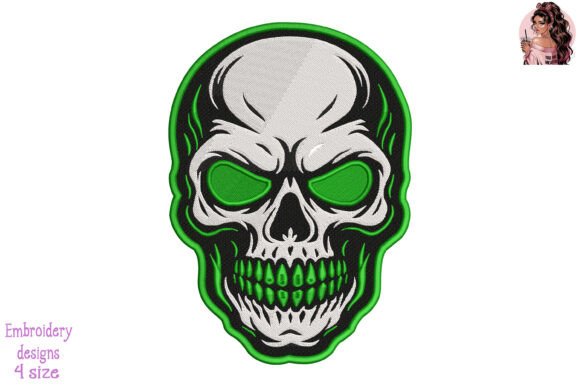
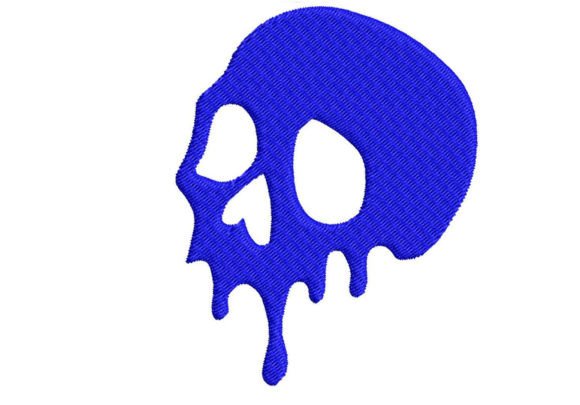
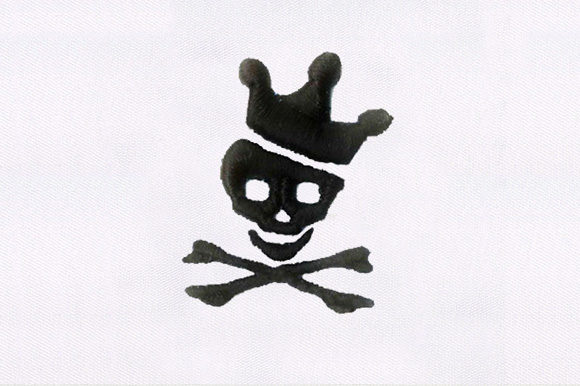
The name itself tells you exactly what to expect: volume. In the world of machine embroidery design, "puff" usually implies a raised effect, often achieved through heavy stabilizers or specific stitching techniques that create a 3D appearance. The Skeleton 3d Puff design immediately signals a bold, tactile aesthetic. It is not a delicate, fine-line sketch; it is chunky, confident, and playful.
Visually, the skeleton motif carries strong associations with Halloween, yet the execution here feels versatile enough to transcend the holiday. The shape suggests a character-driven approach rather than a purely decorative border. For a small shop product owner, this distinction is crucial. A character design has higher perceived value because it feels like a finished illustration brought to life, rather than a generic clip-art placement. The mood is spooky-cute—approachable enough for children’s wear but edgy enough for teen apparel.
Real-World Application: From Screen to Stitch
Let’s imagine a real scenario. You are preparing inventory for the fall season. You have a stack of organic cotton tote bags and a batch of heavyweight fleece sweatshirts. You need a centerpiece that will stop a browser in their tracks on Etsy or grab attention at a local craft fair. You place the Skeleton 3d Puff design on the center chest of a black sweatshirt. The contrast is immediate. Because the design relies on puff effects, it will cast subtle shadows, adding depth that flat embroidery simply cannot achieve.
This design shines in several specific categories:
- Custom Apparel: On a sweatshirt or hoodie, the puff effect mimics vintage rubber prints, offering a premium feel without the cost of screen printing.
- Baby Embroidery: If scaled appropriately, the rounded nature of a "puff" style skeleton can work beautifully on onesies or bibs, where safety and softness are paramount.
- Embroidered Patch: The bold lines make this an excellent candidate for a detachable patch, allowing customers to customize jackets or backpacks.
- Kitchen & Home: While less common, placing this on a thick canvas apron or a tea towel can add a quirky touch to a set of personalized gifts.
However, the true test is how it performs on different fabrics. On a sturdy denim tote bag, the structure holds firm. On a thin polyester blend, however, the tension might cause puckering if the correct stabilizer is not used. This brings us to the technical considerations every embroidery project must address.
Technical Considerations and Fabric Compatibility
As a reviewer, I must highlight where this design requires careful handling. The "3d Puff" aspect is not magic; it is engineering. It typically requires a water-soluble topping or a heavy cut-away stabilizer to support the height of the stitches. If you attempt to stitch this on a stretchy knit fabric without proper stabilization, the result will be distorted. The stitch density needs to be sufficient to cover the backing material but not so dense that the fabric becomes rigid and uncomfortable.
Here are practical notes for designers testing this file:
- Test on Scrap Fabric: Always run a test stitch-out before committing to your final product. Check how the threads lay against the texture of your chosen material.
- Check Hoop Size: Ensure your machine hoop can accommodate the full dimensions of the design without cutting off any limbs or details of the skeleton.
- Thread Color Contrast: Black thread on black fabric will disappear. White or bright orange thread on dark backgrounds will pop. Test your thread colors to ensure visibility.
- Inspect Small Details: Zoom in on the digital preview. Are there tiny elements that might get lost in the puff process? Large, bold shapes work best for this technique.
- Stabilizer Selection: Use a high-quality cut-away stabilizer for garments that will be washed frequently. Tear-away may not provide enough long-term support for a raised design.
Commercial Viability and Branding
For the Etsy seller or commercial embroidery professional, the question is always: "Will this sell?" The answer lies in presentation. A Skeleton 3d Puff design allows you to market a "premium" finish. You can justify a higher price point by emphasizing the 3D texture and the durability of the embroidery compared to cheap transfers.
It fits seamlessly into a brand identity focused on handmade quality. When a customer receives a package containing a tote bag with this design, the tactile experience reinforces trust in your brand. It signals that you care about the physical properties of the product, not just the digital image. This is particularly important for holiday gifts and seasonal merchandise, where buyers are looking for something special and tangible.
Furthermore, the versatility of the file formats provided (including PES, DST, EXP, JEF, etc.) means you can serve a wide range of clients. Whether they use a domestic machine or an industrial multi-head, this digital embroidery file is accessible. However, always confirm the specific licensing terms if you are selling the finished goods commercially. Some designs are restricted to personal use only.
Final Verdict
The Skeleton 3d Puff design is a strong addition to any library of design assets. It offers a unique textural opportunity that elevates standard embroidery into something more sculptural. It works exceptionally well for sweatshirt embroidery, tote bag design, and custom accessories where a bold statement is desired.
While it demands respect for fabric choice and stabilization, the payoff is a finished product that looks professional, engaging, and highly desirable. For the maker who wants to move beyond basic monograms and simple logos, this design provides the creative punch needed to stand out in a crowded marketplace. Just remember to test thoroughly, choose your fabrics wisely, and let the puff do the talking.