The Best Things in Life Are Rescued
As an embroidery designer who has spent years translating digital art into tangible thread, I approach every new machine embroidery design with a mix of creative excitement and technical scrutiny. When I first encountered the concept behind "The Best Things in Life Are Rescued," it wasn't just about the text; it was about the emotional weight carried by the phrase. This is not merely a slogan; it is a statement of identity for a growing demographic of dog lovers who view their pets as family members rather than accessories. In this review, I will walk you through how this specific embroidery file translates to a premium sweatshirt collection, evaluating its aesthetic potential, technical viability, and commercial appeal for small business owners.
First Impressions: Mood and Visual Personality
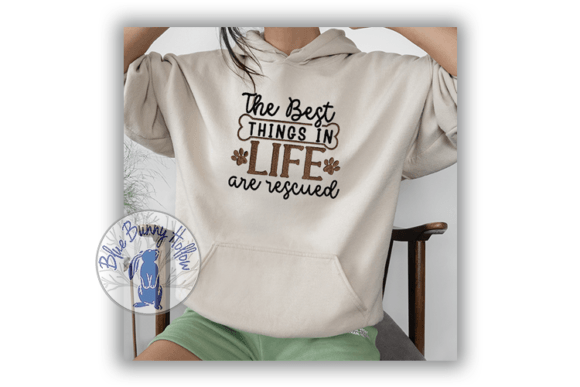
The title "The Best Things in Life Are Rescued" immediately sets a tone that is both heartfelt and resilient. From a design perspective, this phrase demands a layout that balances warmth with readability. It feels less like a trendy, fleeting graphic and more like a timeless declaration. The mood is rustic yet modern, leaning towards a cozy, authentic vibe that resonates deeply with the handmade community.
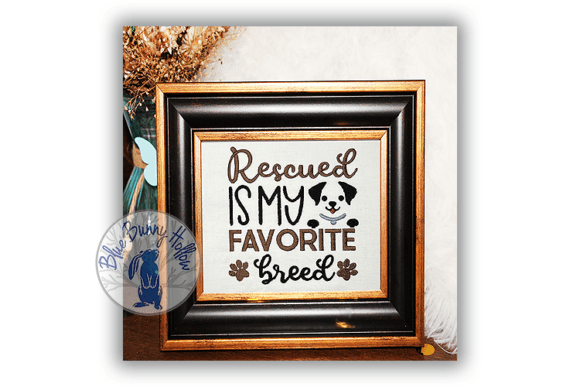
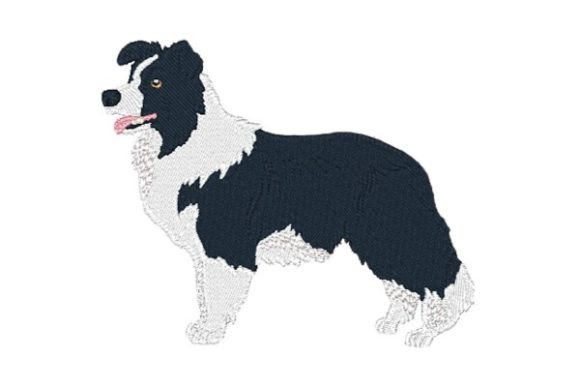
When visualizing the finished product, I imagine a design that incorporates playful elements—perhaps a stylized paw print or a simple, elegant dog silhouette integrated with the typography. The personality of the design appears to be gentle but bold enough to stand out on apparel. It avoids being overly cutesy, which allows it to appeal to a broader audience, including those who prefer minimalism over clutter. For a boutique brand, this versatility is crucial. It allows the garment to feel like a lifestyle piece rather than just merchandise.
Application on Premium Sweatshirts and Hoodies
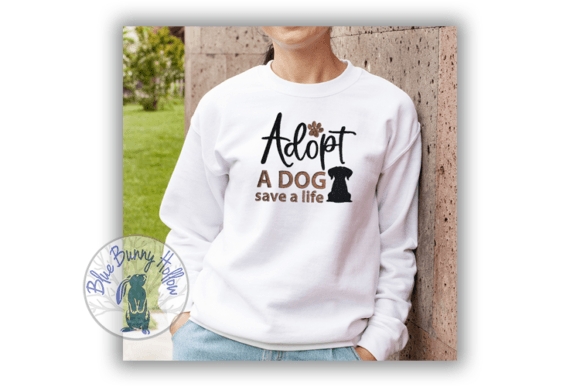
Sweatshirt embroidery presents unique challenges compared to t-shirts or caps. The fabric is thicker, the texture is more pronounced, and the drape is heavier. Here is how "The Best Things in Life Are Rescued" performs across different apparel scenarios:
- Neutral and Dark Fabrics: On charcoal, navy, or black sweatshirts, the design will pop if the thread colors are chosen carefully. White or cream threads create a striking contrast against dark backgrounds, emphasizing the message. However, designers must ensure the stitch density is high enough to prevent the thread from sinking into the fleece texture.
- Pastel Colors: Pastel pink, sage green, or baby blue sweatshirts offer a softer canvas. In these cases, the design might utilize tonal stitching or metallic accents to add depth without overwhelming the gentle color palette. This combination screams "cozy seasonal apparel," perfect for spring launches or Mother’s Day collections.
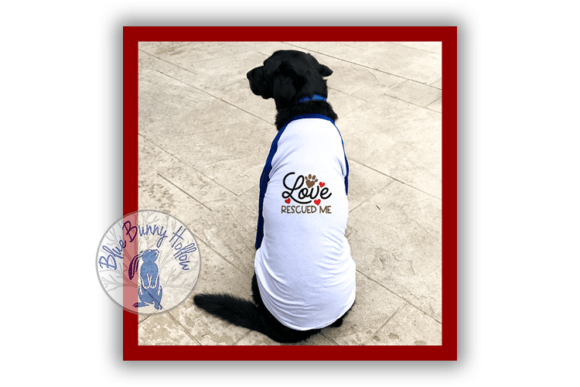
- Oversized Hoodies: The current trend of oversized, boxy fits requires a design placement strategy that complements the volume. A centered chest placement works well, but placing the design on the back or as a small sleeve accent can also elevate the look. The phrase itself is long enough to serve as a strong horizontal element on the back of a hoodie, creating a balanced silhouette.
Chest Placement vs. Sleeve Accents
For a limited drop, variety is key. Placing "The Best Things in Life Are Rescued" on the left chest offers a classic, understated elegance suitable for everyday wear. Alternatively, using the design as a sleeve accent adds a touch of detail that customers appreciate when they see the garment up close. This subtle branding enhances the perceived value of the item, making it feel curated and special.
Technical Evaluation: Stitch Density and Fabric Interaction
Before adding any design to a production queue, I always assess the technical specifications. While the exact stitch count and file format should be verified by the creator, we can infer several things based on best practices for this type of project.
Stitch Density: Embroidery on sweatshirts requires a higher stitch density than woven fabrics to ensure the design holds its shape and doesn't look sparse. If the design relies heavily on large areas of fill stitches, the stabilizer choice becomes critical. A cut-away stabilizer is non-negotiable here to prevent puckering after washing.
Fabric Texture: The nubby texture of French terry or brushed cotton can obscure fine details. Therefore, the typography in "The Best Things in Life Are Rescued" must be legible even when partially hidden by the fabric's pile. Bold, sans-serif fonts or clean script styles tend to work best. Thin, delicate lines may get lost, so the design assets should be reviewed for clarity.
Hoop Size and Readability: Ensuring the design fits within standard hoop sizes (such as 5x7 or 6x10 inches) while maintaining readability is essential. If the text is too small, it will lose its impact. Designers should test a sample on the actual fabric to check for small-size readability. A good rule of thumb is that the text height should be at least 1.5 to 2 inches for optimal visibility on a sweatshirt.
Commercial Viability and Brand Identity
For Etsy sellers and small shop owners, "The Best Things in Life Are Rescued" is more than just a design; it is a brand asset. It taps into the powerful narrative of rescue and compassion, which fosters a strong emotional connection with buyers. This connection drives customer engagement and trust.
Product Value: High-quality embroidery signals craftsmanship. When a customer sees a well-executed design on a premium sweatshirt, they perceive higher value and are often willing to pay a premium price. This helps protect your margins and establishes your boutique brand as a provider of quality goods.
Visual Recognition: Consistency in design style helps build brand recognition. If this phrase becomes a signature element of your collection, customers will begin to associate that specific aesthetic with your shop. Using printable mockups to preview how the design looks on various models and settings can help refine your marketing strategy before you even produce the first unit.
Washing Durability and Longevity
A major concern for customers buying embroidered apparel is durability. They want to know that the design will survive multiple washes without fraying or fading. To ensure the longevity of "The Best Things in Life Are Rescued," proper finishing techniques are vital. Trimming excess stabilizer, pressing the design correctly, and using high-quality polyester threads will ensure the finished product remains vibrant and intact. This reliability boosts buyer trust and reduces return rates.
Final Thoughts for Creative Entrepreneurs
"The Best Things in Life Are Rescued" is a versatile, emotionally resonant design that fits seamlessly into the world of custom apparel. Its blend of heartfelt messaging and adaptable layout makes it an excellent choice for boutique brands looking to connect with dog-loving communities. Whether placed on a cozy hoodie for winter or a light sweatshirt for spring, the design promises to deliver a premium feel.
However, success lies in the execution. Always verify the specific technical details—such as the exact hoop size, recommended stabilizer types, and compatible software formats—before moving to mass production. Test your samples thoroughly to ensure the thread colors contrast beautifully against your chosen fabrics. By paying attention to these details, you can transform a simple digital file into a beloved staple of your collection, driving sales and building a loyal customer base.
For the Etsy seller or handmade business owner, this design offers a low-risk, high-reward opportunity. It speaks to a passionate niche, requires no complex inventory management if produced on demand, and aligns perfectly with the values of conscious consumerism. Embrace the story behind the design, and your customers will embrace the garment.